How Basement Waterproofing NJ Can Help After a Basement Flood

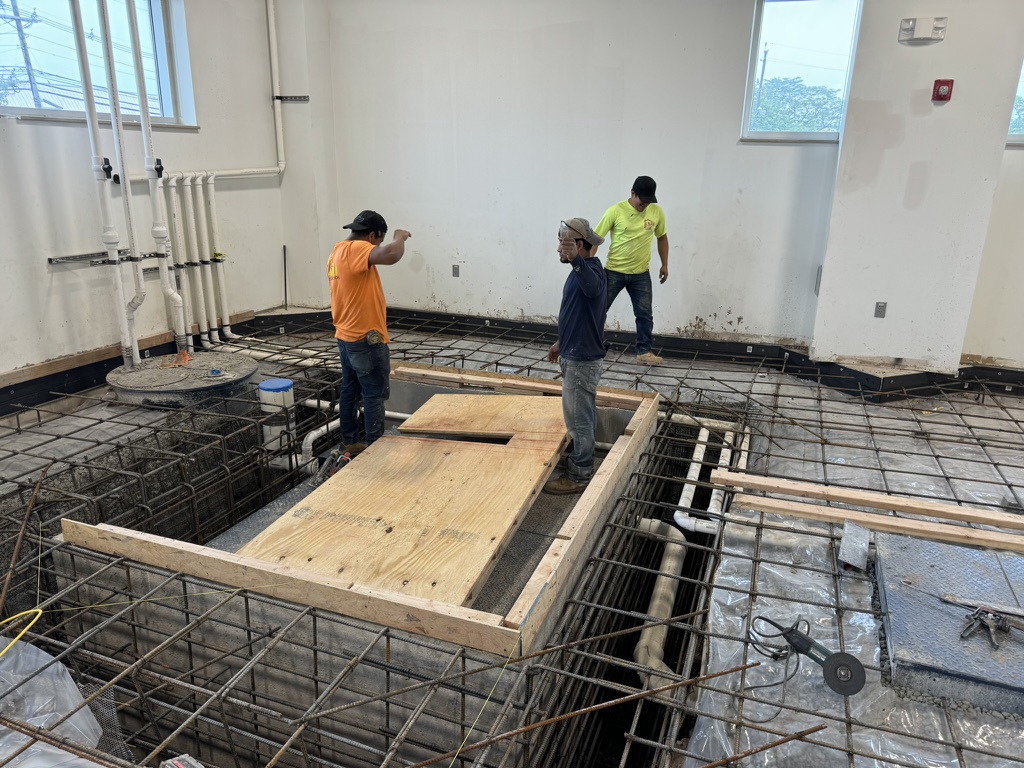
A flooded basement changes the way a homeowner looks at a house. Before the water comes in, the basement often feels like useful extra space, maybe a laundry area, storage room, workshop, or finished family room. After a flood, that same space can feel risky, expensive, and hard to trust. I have seen homeowners focus first on the mess, which is understandable, but the real damage usually runs deeper than what is visible on the floor.
Water in a basement is rarely a one-time inconvenience. It is a warning. Sometimes the cause is a sudden storm that overwhelms the ground around the foundation. Sometimes it is a failed sump pump, a clogged footing drain, hydrostatic pressure pushing through cracks, or grading that quietly directs runoff toward the home year after year. Whatever started it, the cleanup is only the first chapter. The lasting fix usually begins with understanding how basement waterproofing in New Jersey homes works in real conditions, not just in theory.
That matters because New Jersey basements deal with a tough mix of challenges. Coastal moisture, heavy rain, older housing stock, freeze-thaw movement, and dense soils in some areas all raise the odds of water intrusion. When people search for Basement Waterproofing NJ services after a flood, they are often trying to solve two separate problems at once. They need to recover from the event that just happened, and they need to keep it from happening again.
The first 48 hours after a basement flood
The immediate aftermath is chaotic. There is standing water, soaked boxes, damp drywall, and that distinct smell that tells you moisture has already moved into porous materials. In some basements, the water line is obvious. In others, the floor looks manageable while moisture has wicked up inside framing, insulation, and trim.
The first priority is safety. If water reached outlets, appliances, or the electrical panel area, power should be shut off before anyone starts moving through the space. Floodwater can also hide sharp debris, sewage contamination, or weakened flooring in finished basements. Once the area is safe, the clock starts ticking on moisture damage. Mold growth can begin surprisingly fast under the right conditions, especially in warm weather or in basements with poor air circulation.
A proper response usually includes water extraction, disposal of unsalvageable materials, aggressive drying, and moisture testing. This is the point where many homeowners assume they are done once the basement looks dry. Unfortunately, appearance can be misleading. Concrete holds moisture. Wood framing can test wet long after carpets are removed. Insulation behind finished walls may stay damp without any obvious staining on the exterior surface.
That is why post-flood waterproofing matters so much. Cleanup restores the basement from the event. Waterproofing addresses the conditions that allowed the event to happen.
Flood cleanup and waterproofing are not the same thing
It helps to separate restoration from prevention. Restoration crews remove water, dry materials, and in some cases rebuild damaged finishes. Basement waterproofing contractors diagnose entry points, pressure conditions, drainage failures, and structural vulnerabilities.
The distinction matters because a basement can be professionally dried and still be just as vulnerable as it was the day before the flood. I have seen finished basements rebuilt beautifully, only to take on water again the next season because nobody corrected the exterior grade or the failing interior drainage system. That is an expensive lesson.
Basement Waterproofing NJ specialists typically look beyond the visible symptoms. They ask where the water came from, how it moved, and what building conditions amplified the damage. Did water enter at the cove joint where the wall meets the floor? Did it seep through wall cracks? Did the window wells fill and spill inward? Did groundwater rise under the slab? Did roof runoff dump too close to the foundation? Each answer points toward a different combination of repairs.
Why New Jersey basements are especially vulnerable
New Jersey is not one uniform environment. A house in Bergen County may deal with different soil behavior and drainage patterns than a home closer to the shore or farther south. Still, a few patterns show up often enough to be worth knowing.
Older homes frequently have foundations that were built long before current waterproofing standards. Some have stone or block walls that are more prone to seepage than newer poured concrete foundations. Many properties also have grading that settled over decades, creating subtle low spots that hold water near the house. Add heavy rains and snowmelt, and the basement becomes the lowest relief point in the system.
The freeze-thaw cycle is another issue. Water works into tiny cracks, temperatures drop, and the expansion gradually widens those openings. Over a few winters, a hairline crack can become a reliable entry path. Then there are the homes with finished basements, which are common in many parts of the state. Finished spaces tend to hide moisture problems longer. Water gets behind walls, under flooring, and around built-ins before anyone notices the extent of it.
This is why local experience matters. Basement Waterproofing NJ is not just a keyword people type into a search bar. It points to a regional problem that needs regional judgment. The right fix in one county may be incomplete or excessive in another.
What a waterproofing assessment should uncover after a flood
After the emergency cleanup, a thorough waterproofing assessment should feel investigative, not generic. The contractor should be trying to tell the story of the water. Where did it start? Where did it travel? Why did it overwhelm the house on that day?
A useful inspection usually includes both interior and exterior observations. Inside, that means checking wall cracks, floor cracks, cove joints, signs of efflorescence, moisture patterns, sump pump performance, and the condition of any existing drain system. Outside, it means looking at downspout discharge, grading, hardscape slope, window wells, gutter performance, foundation exposure, and any obvious areas where surface water pools.
There is also value in asking the homeowner about the exact weather conditions. Was this during a short cloudburst or a long soaking rain? Did the flooding happen while power was out? Did it occur only after snowmelt? Did neighboring homes have similar issues? Those details help narrow the likely mechanism.
The best recommendations usually come from that full picture. A contractor who proposes the same system for every basement may solve some problems, but not necessarily yours.
The waterproofing solutions that often make the biggest difference
Not every flooded basement needs a full overhaul. Some need one smart correction. Others need layered protection because there are multiple water pathways at work. The most effective plans usually combine drainage control with targeted sealing and reliable pumping capacity.
One common solution is an interior perimeter drain system paired with a sump pump. This does not stop water from pressing against the foundation, but it gives that water a controlled path to a discharge point before it rises onto the floor. In homes with chronic hydrostatic pressure, this can be the difference between a usable basement and repeated flooding.
Exterior waterproofing can be more invasive, but in some cases it is the stronger long-term answer. Excavating down to the foundation wall allows a crew to apply a waterproof membrane, address cracks from the outside, and improve drainage at the source. It is not always necessary, and it is not always practical around patios, driveways, or mature landscaping, but when walls are taking on significant seepage, exterior work can be the right call.
Crack injection is another useful tool when the issue is isolated. Polyurethane or epoxy injections can seal certain foundation cracks effectively, though they are not a cure-all for broader drainage failures. Window wells, too, deserve attention. A basement can flood simply because a well fills faster than it drains.
Then there is the often-overlooked role of roof runoff. I have seen homes take https://www.google.com/maps?cid=15618896523686751270 on basement water mainly because downspouts discharged right beside the foundation. Extend the downspouts, correct the grade, and suddenly the basement behaves very differently during storms.
When a sump pump is the hero, and when it is not enough
Homeowners often ask whether installing a better sump pump will solve everything. Sometimes it solves a lot. Sometimes it only treats the symptom.
A high-quality sump pump system with the right pit size, check valve, discharge layout, and battery backup is one of the most valuable flood defenses a basement can have. In New Jersey storms, power failures and heavy groundwater often arrive together. That makes backup power more than a nice upgrade. It is often the detail that determines whether the system works when it matters most.
Still, a sump pump is only as good as the drainage feeding it and the discharge route carrying water away. If the discharge line is undersized, frozen, blocked, or routed to an area where water runs back toward the house, the system can underperform. If no interior drain captures the water that is building up below the slab, the pump may have very little effect. And if the actual cause is a grade problem pouring water through a doorway or window well, the pump is not addressing the right source.
That is why experienced Basement Waterproofing NJ contractors tend to think in systems, not single products.
Materials that usually have to go after a flood
Not every wet item can be saved, and waiting too long to make that call tends to make the cleanup harder. In finished basements, lower drywall cuts are often necessary because water wicks upward and moisture stays trapped inside the wall cavity. Padding beneath carpet is almost always a loss after substantial flooding. Laminate flooring usually fares poorly because the core swells and deforms. Insulation may also need replacement depending on the type and contamination level.
The difficult conversations usually involve sentimental storage. Cardboard boxes, old books, family furniture, and fabric items absorb moisture fast. Some things can be cleaned and dried if caught early. Others become mold-prone quickly. A homeowner who acts within a day often saves far more than one who waits a week hoping the basement will dry on its own.
Here are the materials I most often see require removal after more than minor basement flooding:
- Carpet padding and many laminate floors
- Lower sections of drywall and damp insulation
- Cardboard storage boxes and paper goods
- Upholstered furniture that sat in contaminated water
- Baseboards and trim that trap moisture behind them
That may sound severe, but selective demolition is often what allows the space to dry properly and prevents a lingering mold issue.
Waterproofing decisions that save money later
The cheapest post-flood path is rarely the least expensive over time. That is especially true when homeowners rush to refinish a basement before they understand the cause of the water.
A practical approach is to solve the water problem first, then rebuild with better materials and better design choices. If a basement has any history of seepage, it makes sense to think twice before reinstalling wall-to-wall carpet or standard MDF trim. More resilient options, such as tile floors, moisture-tolerant wall assemblies, and easily removable base details, can reduce future losses if water ever returns.
There is also value in leaving access to critical areas. Finished basements often fail because systems are buried behind expensive surfaces. When the next small leak appears, no one sees it until the damage is broad. A slightly more utilitarian design in vulnerable zones can actually protect the rest of the investment.
This is one of those areas where experience beats optimism. I have seen homeowners spend tens of thousands on beautiful basement remodels, only to discover that the room was never a good candidate for certain finishes without drainage upgrades first. A few thousand spent on prevention often protects far more than that in reconstruction.
Questions worth asking before hiring a waterproofing contractor
Waterproofing is one of those trades where the sales pitch can sound reassuring even when the plan is weak. After a flood, homeowners are tired, stressed, and more likely to approve work quickly. That makes it even more important to ask direct questions.
A good contractor should be able to explain not just what they recommend, but why. They should describe the source of the water, the limitations of the proposed fix, and what maintenance the system will require. If a basement has multiple water pathways, they should say that plainly.
When evaluating a Basement Waterproofing NJ company, these questions usually reveal a lot:
- What evidence points to the primary water entry path?
- Are you recommending an interior solution, an exterior solution, or both, and why?
- What happens if the power goes out during a storm?
- How will water be discharged away from the home?
- What parts of the system need routine maintenance or testing?
The answers do not need to be flashy. They need to be specific. Vague assurances are a red flag.
The role of mold prevention after the water is gone
People often talk about mold as though it appears only in dramatic black patches across walls. More often, the early signs are subtler. A persistent musty smell, swelling trim, slight discoloration behind stored items, or a damp feel that never quite leaves the room can all point to moisture that remained after flooding.
Waterproofing helps here by reducing repeat wetting, but mold prevention also depends on thorough drying and humidity control. In many basements, a dehumidifier becomes part of the long-term plan, especially during summer. Relative humidity that stays too high invites condensation and mold even without another obvious flood event.
The key is to treat mold risk as a moisture management issue, not just a cleaning issue. Sprays and surface treatments have their place, but they cannot compensate for a basement that continues taking on water or holding too much humidity.
Insurance, documentation, and realistic expectations
Insurance coverage for basement flooding varies widely depending on the cause. Water coming from a burst pipe is a very different claim from groundwater intrusion during a storm. Sewer backup may require a specific endorsement. Surface flooding may fall under flood insurance rather than a standard homeowners policy.
That uncertainty is one more reason to document everything carefully. Take photos before cleanup progresses too far. Save damaged materials until the insurer advises otherwise if a claim is involved. Keep records of extraction, drying, and waterproofing work. If a contractor identifies a failed prior system or a long-standing structural issue, get that in writing.
At the same time, homeowners should be realistic about what waterproofing can and cannot do. No system makes a basement indestructible under every possible event. Extreme weather can exceed design assumptions. Municipal drainage issues can complicate private property fixes. The goal is not magic. The goal is to reduce vulnerability dramatically through sound diagnosis and appropriate upgrades.
What long-term peace of mind actually looks like
After a basement flood, peace of mind does not come from hearing that everything is dry today. It comes from knowing why the flood happened and what changed afterward. Maybe that means a new interior drain and sump system with battery backup. Maybe it means exterior excavation and membrane work on one problem wall. Maybe it means grading corrections, downspout extensions, new window wells, and a less moisture-sensitive basement finish package.
In practical terms, peace of mind looks like walking downstairs during a hard rain without dread. It looks like being able to store items off the floor and trust the space again. It looks like a sump system that is tested, maintained, and ready. It looks like a contractor who solved the problem you actually had, not the one that was easiest to sell.
That is where Basement Waterproofing NJ services can make a real difference after a basement flood. They do more than patch visible damage. They help translate a messy, stressful event into a durable plan. Done well, waterproofing turns the basement from a repeated liability into part of the house you can use with confidence.
For homeowners in New Jersey, that confidence is worth a lot. The weather will not get simpler. Basements will always be exposed to pressure, moisture, and the limits of drainage. But with the right assessment and the right fix, a flooded basement does not have to become a recurring story. It can be the moment the problem was finally understood and properly addressed.
ARD Waterproofing
Address: 98 Smull Ave, West Caldwell, NJ 07006
Phone number: +12016465936
FAQ About Basement Waterproofing NJ
What is the best waterproofing method for a basement?
The best overall approach to waterproofing a basement is a combined exterior and interior system that stops water at the foundation wall and safely manages any moisture that gets through.
What is the average cost to waterproof a basement?
The average cost to waterproof a basement ranges from $2,500 to $15,000, with most homeowners paying around $5,200 for a complete project.
Can a basement be waterproofed from the inside?
Yes, a basement can be waterproofed from the inside, and it is often the most affordable and least disruptive method.